
Hi everyone! Onto our next blog. In this write-up, we’ll learn about the importance and steps in measuring ROI from different types of content. As we all know, in the dynamic realm of digital marketing, measuring Return on Investment (ROI) is the compass that guides our strategies. When it comes to content marketing, understanding and quantifying the impact of our efforts is essential. As mentioned in my previous blogs, we can’t improve what we don’t measure.
In this article, we’ll explore how to measure Content Marketing ROI, including understanding different attribution models and identifying the right content at each stage of the buyer’s journey.
The Significance of Content Marketing ROI
Let’s begin with the basic question – why do we need to measure Content Marketing ROI? The answer highly depends on whether your content distribution strategy is aligned and helping your business goals. Whether it’s driving lead generation, nurturing customer loyalty, or boosting brand awareness, measuring content marketing ROI helps us in our business.
Defining Content Marketing ROI
Content Marketing ROI is like weighing the gains from your content efforts against the resources you put in. It’s not just about the money, but also about how people perceive your brand and how engaged your customers are.
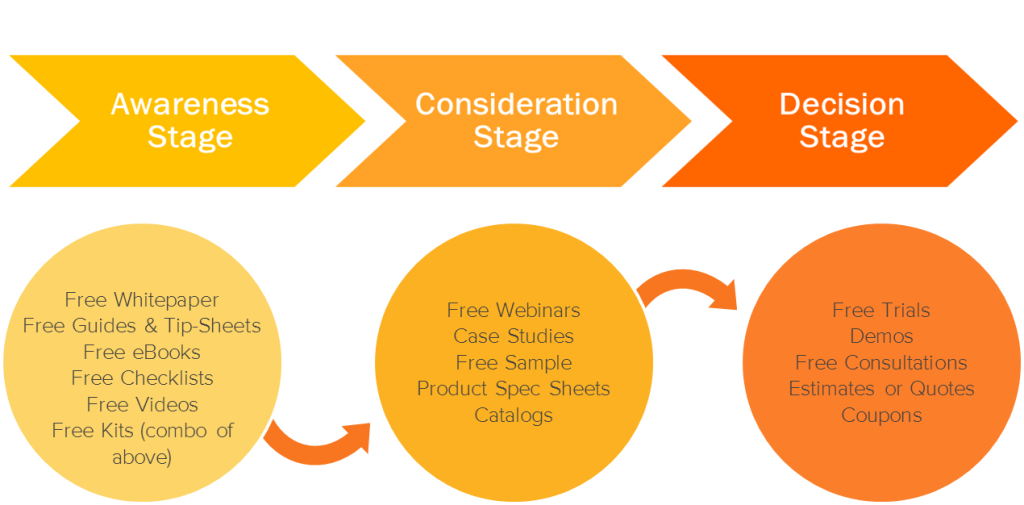
Depending on the stage of the buyer’s journey, each content must depend on the buyer’s status on purchase. Awareness, Consideration, and Decision – each stage requires tailored content. By mapping content to these stages, you ensure that you’re not only engaging your audience but also guiding them toward conversion.
Attribution Models: Untangling the Web of Influence
I find the attribution models acting as detectives of the digital marketing world. They help us figure out which touchpoints lead to conversions. We’ve got First-Touch, which spotlights the first interaction, and Last-Touch, giving credit to the final touchpoint. Then there’s the Multi-Touch, like the big picture view, taking in the whole customer journey to see a comprehensive view of the conversion.
Measuring Campaign Performance
To effectively measure ROI, you need the right tools. Platforms like Google Analytics and HubSpot offer a wealth of data to dissect and analyze. I personally like Google Analytics for measuring website performance as it covers even the countries and cities where you get the most frequent visitors. Additionally, the tool also allows users to see the top keywords used to search for the brand on search engines.
Meanwhile, HubSpot has its free lead generation software. I haven’t used it personally but it can build landing pages and forms where you can choose which gated content you want to publish.
For social media, Meta has its own dashboard where you can easily see the performance of your page and its contents. Other social media tools to use are Buffer and Sprout Social. Below is a sample Sprout Social performance dashboard when you sign up for a free account. If you are managing multiple brands, Sprout can be a good fit since it gives an overview of content all at the same time.
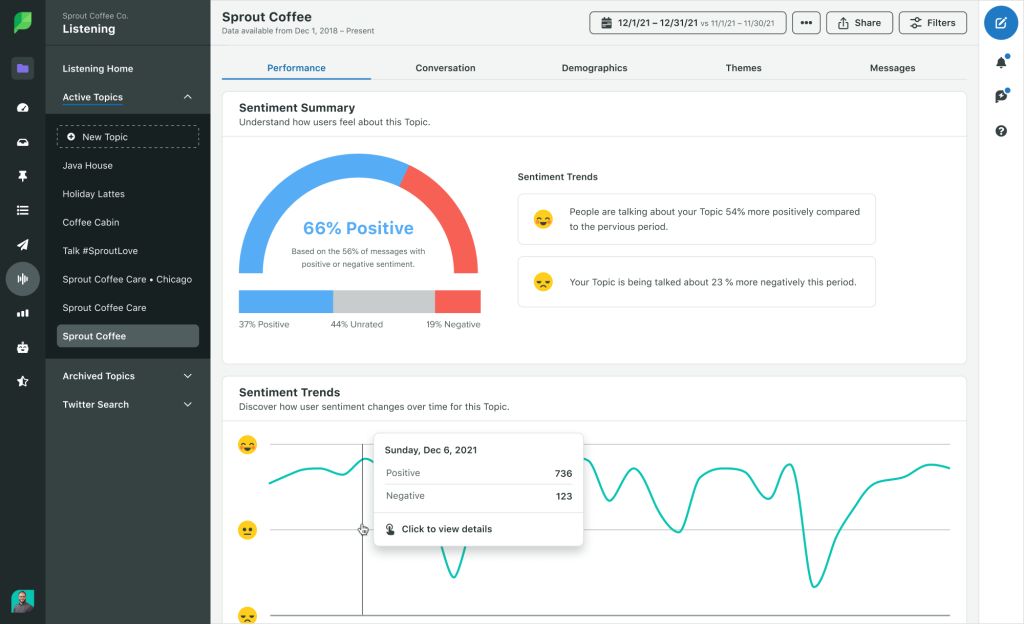
From tracking website traffic to monitoring lead generation, planning content to measuring content performance, these tools empower you to make data-driven decisions.
The Power of A/B Testing
In my previous blogs, we talked about A/B Testing. This is important on various types of content and channels – emails, social media copies, and landing pages. Whether they need a change in tone, text, image design, subject line, or call-to-action, it is imperative that we test and continuously monitor the most effective content for our business. By leveraging these insights, we can refine our content strategy to ensure that every piece of content we publish is aligned with business objectives.
Conclusion
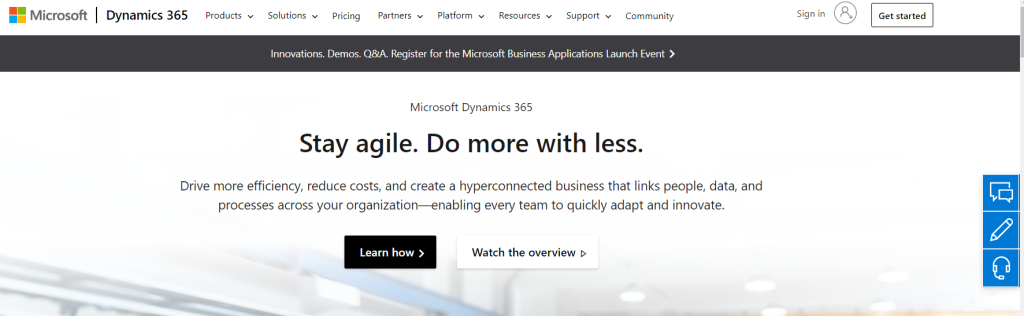
In content marketing, precision and effectiveness make the difference. By mastering the art of measuring ROI, we not only gain a deeper understanding of our audience but also refine our content strategy. Through strategic attribution modeling, buyer’s journey alignment, and data-driven optimization, we can navigate the path to ROI success. Below is one of my favourite webpages of Microsoft. The Microsoft Dynamics 365 page include various type of content that are dedicated to different stages of the buyer’s journey. As you can see, the ‘Watch Overview’ button is tailored for audiences who are looking for a product overview. The ‘Learh now’ button is built specifically for visitors who want an in-depth understanding of the CRM product. What I like also about the page is the contact us button at the right of the page comes in handy. This page layout provides multiple touchpoints while maintaining a smooth user experience.
Remember, in the world of content marketing, every click, share, and conversion is important. Allow your content to tell a story, then track the touchpoints to arrive for data-driven decisions.
References:
Wilson, V. (2020, November 4). Content Marketing: ROI. Retrieved from LinkedIn Learning: https://www.linkedin.com/learning/content-marketing-roi